

CCA Manila’s DCATM internship experience:
Where culinary education meets the real world
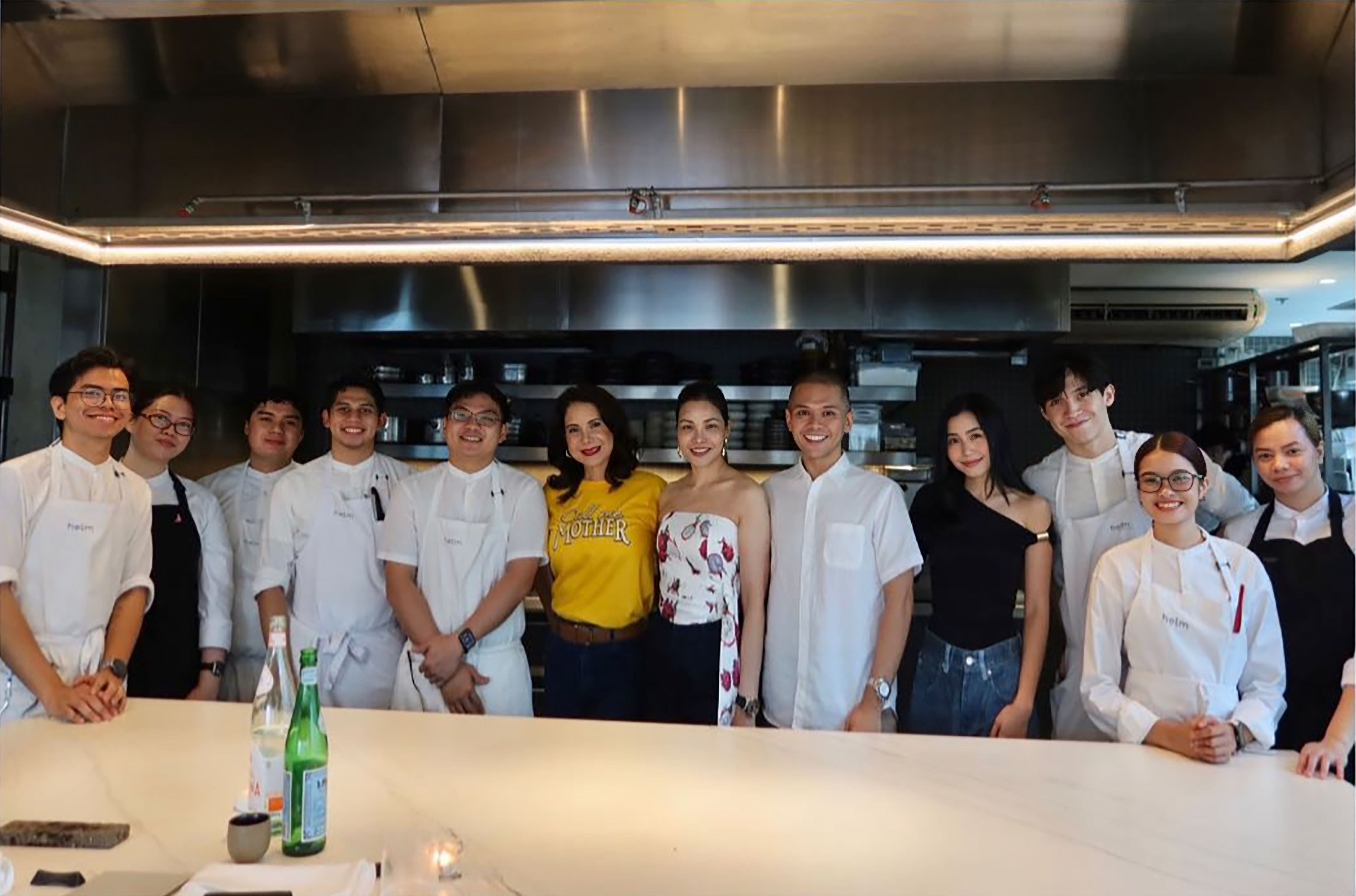
There comes a moment in every culinary student’s journey when classroom lessons evolve into something more challenging—real-life experience at a professional kitchen. At the country’s top culinary school, CCA Manila, that transition is not left to chance. It is designed, structured, and built into the Diploma in Culinary Arts & Technology Management (DCATM) program through carefully curated internship placements that immerse students in real-world operations.
For almost three decades, CCA Manila has built a reputation for producing graduates who are not only technically skilled but industry-ready. The school’s internship program is a cornerstone of that reputation—placing students in some of Manila’s most disciplined and superior kitchens, where excellence is the standard and consistency is non-negotiable.
What sets CCA Manila apart is not merely access to respected restaurants. It is preparation. Before stepping into any professional kitchen, students undergo rigorous training in classical techniques, sanitation, mise en place, menu theory, food safety, and kitchen systems. By the time they report for an internship, students are not observers—they become contributors.
‘PREPARED, NOT OVERWHELMED’
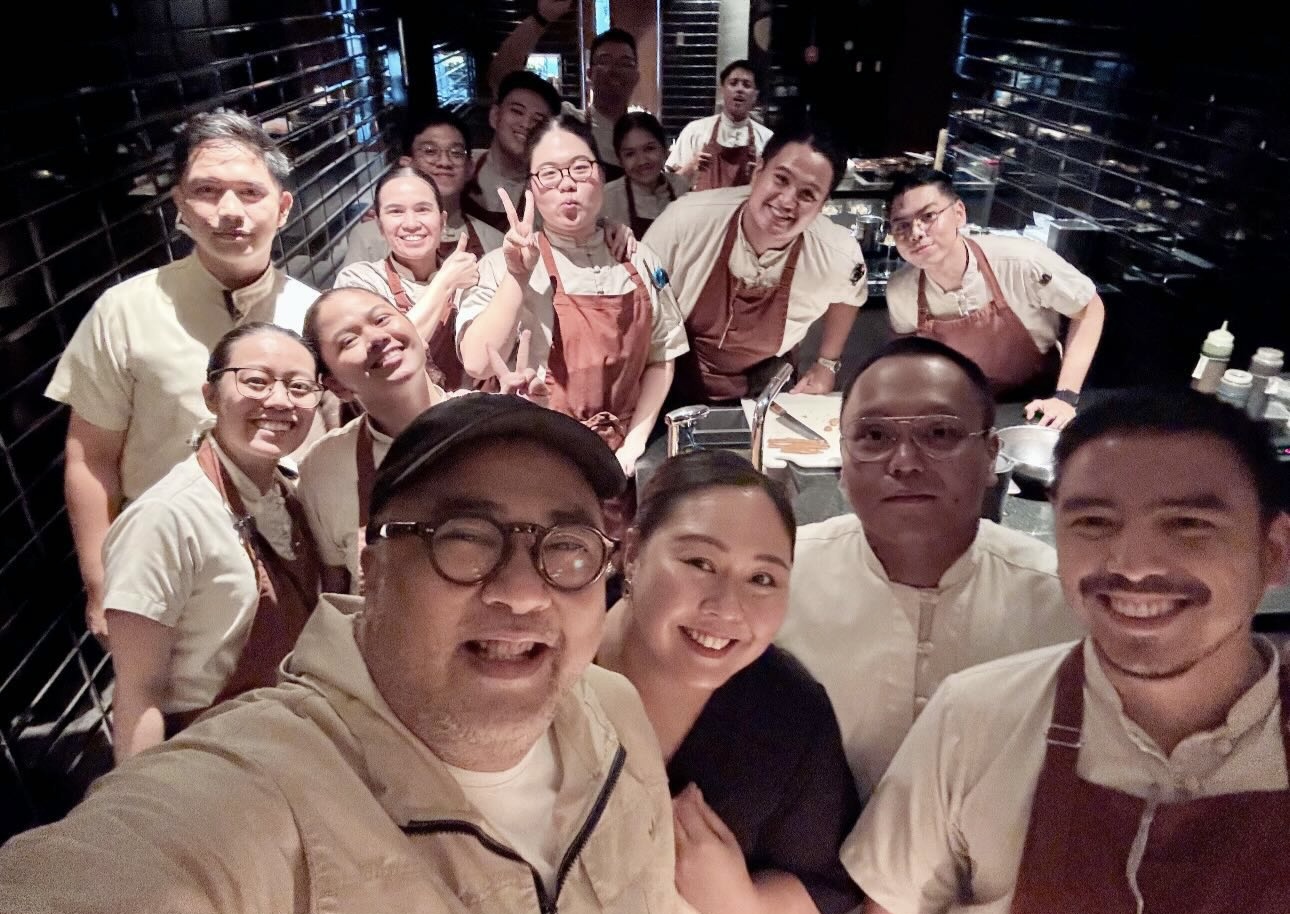
DCATM student Andrei Xavier Lorenz B. Factora experienced this firsthand during his internship at Hapag, then eventually moving up to Ayà. Rotating through multiple stations, he quickly realized that professional kitchens operate on a different level of discipline. Yet instead of being overwhelmed, he found himself prepared.
From handling sauté and garde manger responsibilities to understanding the deeper narrative behind plated dishes, Andrei credits his confidence to CCA Manila’s structured curriculum. What impressed him most was the uncompromising standard of cleanliness and organization, something he had practiced in school but now understood in a new light. At CCA Manila, sanitation is taught as procedure. In the field, he learned it is culture. That mindset shift is precisely what the internship aims to cultivate.
On the other hand, Krysta Clyde Batisla-on entered her internship knowing she would be challenged. Assigned to precision-driven stations at Helm by Josh Boutwood that demanded accuracy in measurement, plating, and timing, she quickly understood the importance of mental endurance. The pace was faster, the pressure higher.
But CCA Manila’s emphasis on mise en place, repetition, and foundational discipline proved invaluable. “In school, we had time to refine our movements,” she reflected. “In the kitchen, you have to get it right the first time.” The transition was demanding, but not disorienting—because the groundwork had already been laid. CCA Manila’s approach bridges that gap, ensuring students step into professional environments with clarity and composure.
CHARACTER FORMATION
For Mardean Roque, internship became a transformative experience. Moving through multiple stations and working under different chefs at Kasa Palma, he found himself pushed beyond his comfort zone. Yet his grounding in French techniques and culinary fundamentals allowed him to adapt quickly.
CCA Manila’s training, he noted, gave him an advantage in understanding systems and workflows. More importantly, it instilled professional values—leadership, creativity, and respect—modeled by his chef instructors. The experience reshaped his perspective, teaching him humility and curiosity. That evolution is central to CCA’s philosophy: internships are not simply about skill validation; they are about character formation.
Ryanne Louise C. Casuga echoed similar insights. Her internship at Kasa Palma highlighted the importance of ingredient respect and operational efficiency. She observed how nothing in a professional kitchen goes to waste—a principle reinforced in CCA Manila’s sustainability and cost-control lessons.
The fast pace required adaptability, but the school’s training in teamwork and accountability proved crucial. Ryanne said that CCA Manila students are known in host kitchens for professionalism and cooperation. That reputation is not accidental. It reflects a culture embedded in the classroom long before internship begins.
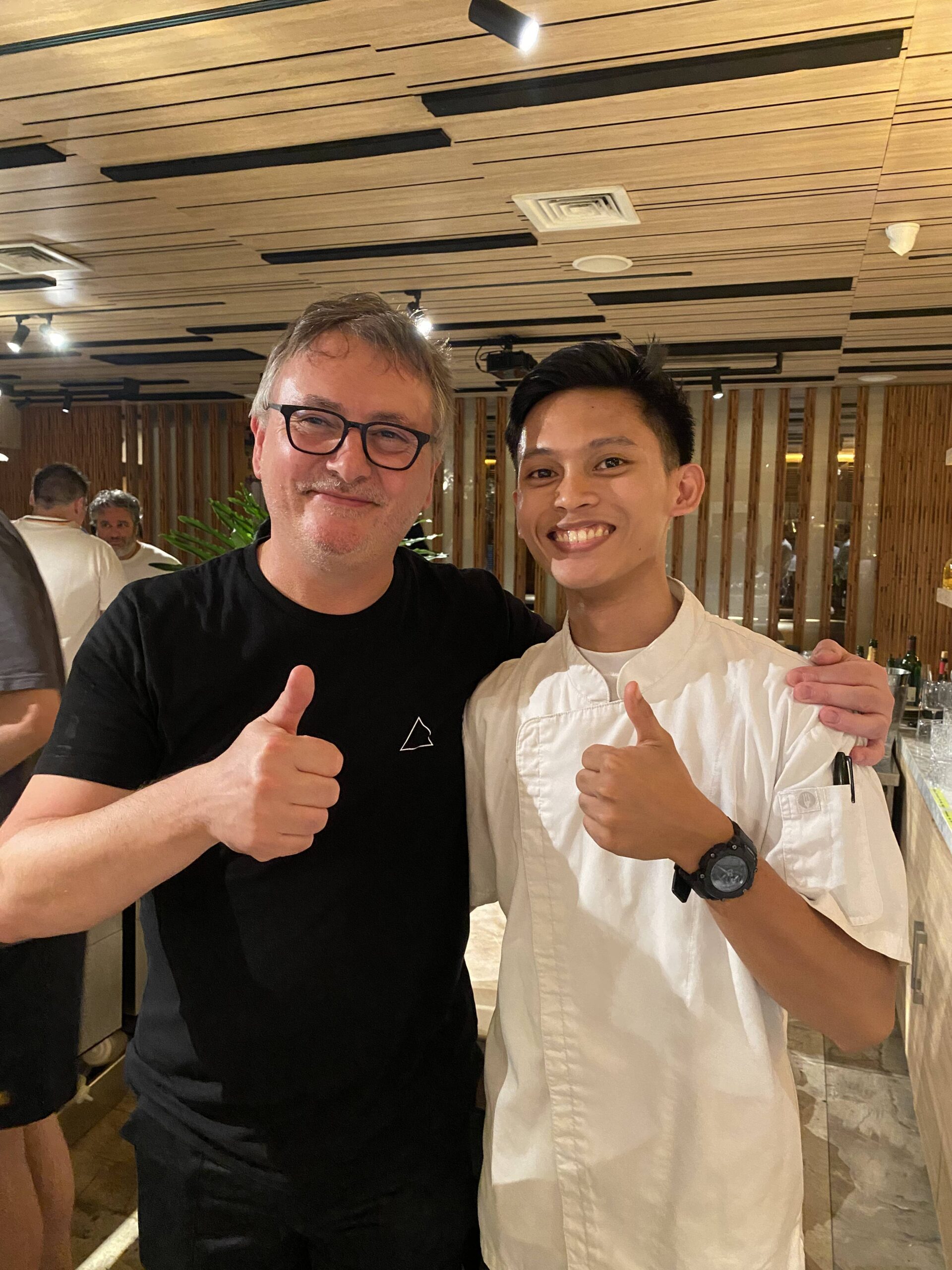
Lastly, for Rhey John A. Villamor, his internship experience at Gallery by Chele broadened his understanding of culinary operations beyond service. Working in a production-focused environment taught him multitasking, production management, and endurance. The hours were long; the expectations high.
Yet one lesson from CCA Manila resurfaced clearly: communication is essential. A seemingly simple classroom reminder about accountability became a real-world standard he carried daily. Internship, in this sense, validated the life skills taught within the program such as discipline, reliability, and resilience.
INTERNSHIP AS PROVING GROUND
“Across these varied internship placements, one theme emerges consistently: CCA students arrive prepared. They understand kitchen hierarchy, respect sanitation protocols. They grasp mise en place not as theory but as operational necessity, and most of all, they show up ready to work,” said Chef Kerwin Funtanilla, Program Manager of the Academic Department, CCA Manila. “Internship, therefore, is not an add-on feature of the DCATM program. It is its proving ground.”
CCA Manila’s long-standing partnerships with respected industry kitchens reflect mutual trust. Restaurants welcome CCA Manila interns not merely for manpower, but because they recognize the training behind them. The school’s curriculum is designed in consultation with industry leaders, ensuring alignment with current standards and evolving trends.
In an industry where talent alone is insufficient, CCA Manila focuses on work ethic. In kitchens where pressure is constant, CCA Manila builds resilience. In environments where teamwork determines success, the school trains students to move as one brigade.
As CCA Manila continues its legacy, its commitment remains clear: education extends beyond the classroom. Through deliberate preparation and meaningful industry immersion, it ensures that when students step into the heat of a professional kitchen, they are not overwhelmed by it—they rise to meet the challenge. For aspiring chefs, that real-world readiness is the true value of a CCA Manila education.
For more information on the DCATM program, visit cca-manila.edu.ph.

Hits: 32






















Recent Comments