

A DISTINCT TASTE FROM THE NORTH | Experience Japan through Kaiseki at Hotel Okura’s Yawaragi
While Japan remains a highly sought-after destination—drawing over 21 million international visitors in the first half of 2025 alone, according to nippon.com—uncovering the country’s true culinary depths remains a quest for many.
Beyond the deeply comforting ramen bowls of Tokyo and the quintessential takoyaki of Osaka waits a familiar yet distinct taste of Japan in the country’s northern frontiers: Tohoku and Hokkaido.
To bring these flavors and landscapes closer to Filipino travelers, the Japan National Tourism Organization (JNTO) Manila Office hosted an exclusive gathering titled “Journey Across Seasons” on November 27, 2025.
Held at the elegant Hotel Okura Manila, the event served as a sensory invitation to witness the charm of Japan’s northernmost regions, from their hidden gems to their flavorful finds.
In his opening remarks, JNTO Executive Director Hakuryo Rin highlighted the pivotal role of airline partners, Japan Airlines (JAL) and All Nippon Airways (ANA), in bridging Filipino travelers to Japan’s diverse prefectures.
“Nature, tradition, and culture all converge in these regions,” Director Rin shared. “We hope that through today’s experience, guests will be inspired to discover their own story in Japan.”
He also expressed his hope that more Filipinos would explore the distinct beauty that the North has to offer through its different seasons, “whether in the serenity of snow-covered landscapes and traditional winter festivals, or the vibrant beauty of flower fields and scenic drives in summer.”
Echoing this mission, representatives from Japan’s premier carriers, JAL and ANA, alongside the country’s international payment network Japan Credit Bureau (JCB), personally attended the exclusive event to collectively show their commitment to providing seamless, comfortable travel experiences for those eager to explore the regions beyond the typical tourist trail.
Their presence and partnership is the key reason behind the growing ease of access and connectivity between the Philippines and Japan’s lesser-known northern prefectures, making the dream of a Hokkaido or Tohoku getaway more attainable than ever.
Imagining the Northern journey
The event’s theme, “Journey Across Seasons,” invited guests to look beyond the typical travel brochure and imagine themselves against the shifting landscapes of the North—from Hokkaido’s lavender-draped summers to Tohoku’s ethereal frozen waterfalls.
Katrina “Kate” Gaspay, Deputy Manager of JNTO Manila Office, led the immersive journey, highlighting why these regions are perfect for Filipinos seeking something beyond the bustling metropolises.
“Tohoku and Hokkaido offer a side of Japan that is calmer, more scenic, and perfect for travelers who want something beyond the big cities,” Gaspay shared. “We want to highlight Hokkaido in summer and Tohoku in winter because even though these are not the seasons they are usually known for, there is so much to see and do.”
Throughout the presentation, Gaspay provided some must-seen destinations for both northern regions.
For those seeking a peaceful, rural charm, Gaspay pointed to Tohoku’s winter magic. Accessible from Tokyo via the Shinkansen (high-speed bullet train system), the region is home to the iconic “Snow Monsters” (Juhyo) of Zao Onsen in Yamagata—massive trees encased in ice that transform into giant, eerie white figures between December and March.
Beyond the slopes, the region offers “meaningful traditions” and photogenic retreats like Ginzan Onsen, a hot spring town that feels frozen in time with its traditional wooden ryokans and gas-lit lanterns reflecting off the snow.
On the other hand, the presentation revealed Hokkaido as a vibrant “summer playground.”As the snow melts, the region becomes a postcard of clear skies and cool temperatures, headlined by the rolling purple fields of Farm Tomita in Nakafurano.
Travelers can enjoy the slow-paced Furano Biei Norokko sightseeing train to view the lavender blossoms.
The distinct taste of the North
The heart of the experience lay in a meticulously crafted kaiseki lunch at Yawaragi, Hotel Okura Manila’s acclaimed Japanese restaurant. Under the expert direction of Head Chef Jerrymie Tamayo, the menu served as a culinary map of Northern Japan, translating the region’s rugged geography into a refined sequence of flavors that mirrored the “Journey Across Seasons” theme.
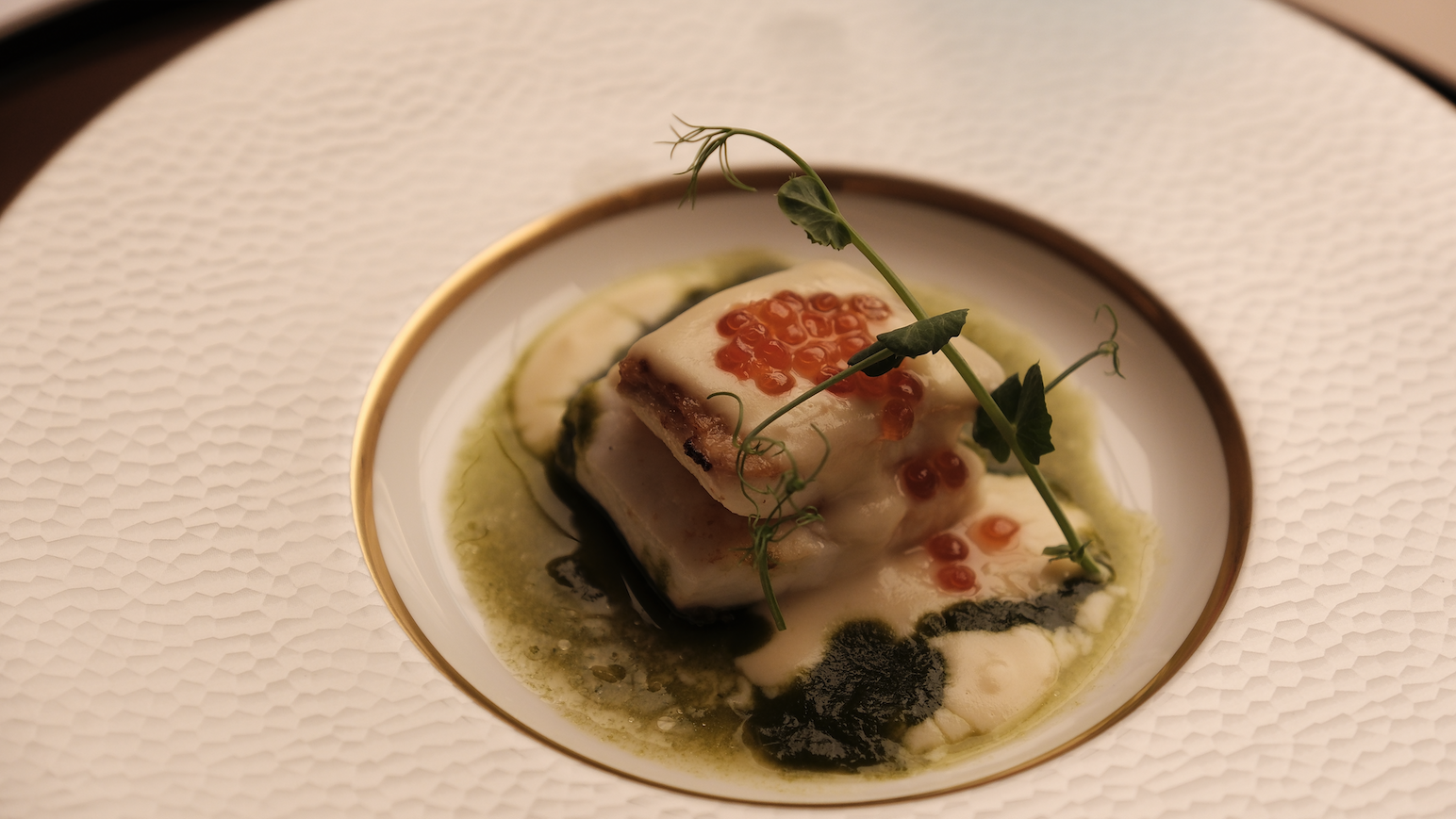
The exploration began with a delicate pan-seared Hirame (olive flounder), brightened by a miso yuzu beurre blanc, watercress oil, and the salty pop of Ikura (salted salmon roe), serving as the starter dish of the whole course menu.
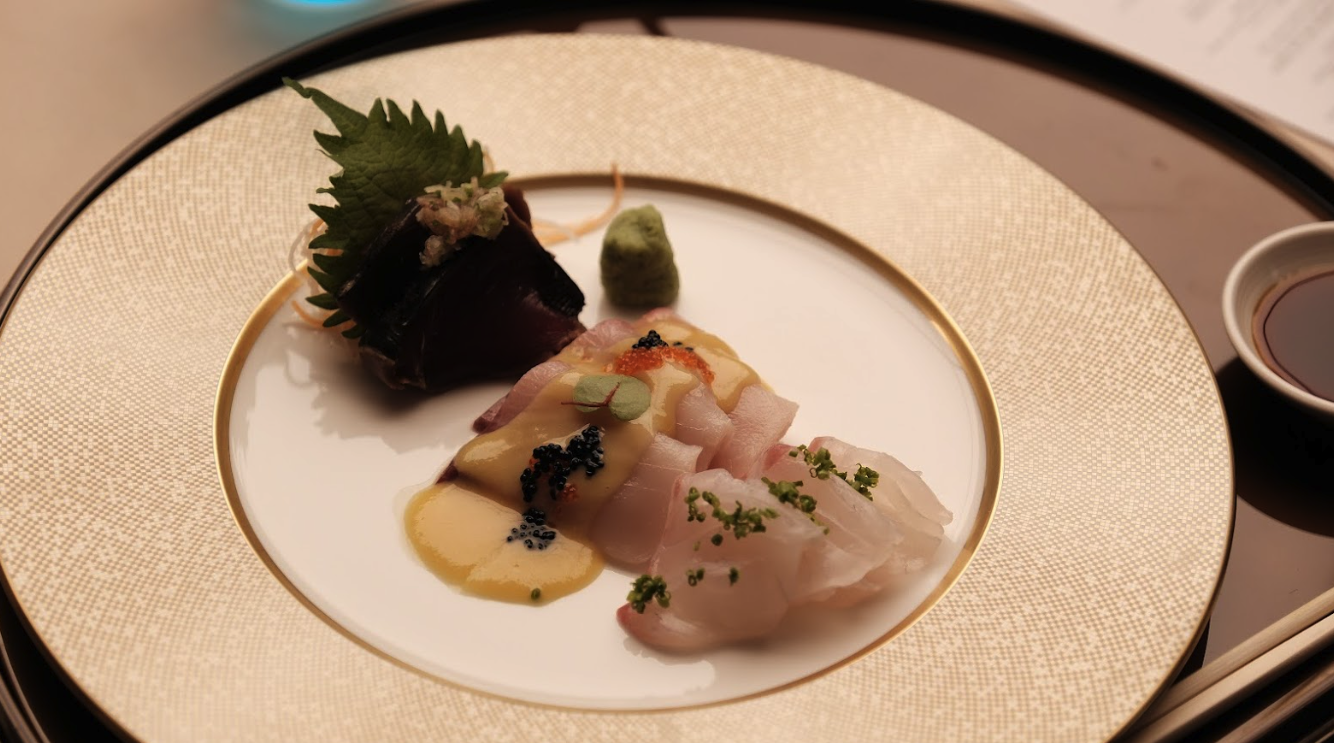
Then, it was followed by the Sashimi Santen Mori, a trio of seafood that showcased Chef Tamayo’s precise technique. The platter featured Rice Straw Smoked Sustainable Bonito (Skipjack), Usuzukiri-style Tai (Sea Bream), and a Kanpachi (Greater Amberjack) Tiradito.
“There are three fish [in the sashimi platter],” Chef Tamayo explained. “On top of the skipjack, which is seen in Hokkaido, is a combination of myoga (Japanese young ginger), garlic, and spring onion. To eat it, you mix it with the condiments and dip it in the soy sauce.”
He contrasted this with the Kanpachi Tiradito—a Japanese-Peruvian fusion already dressed in sauce—and the delicate Tai, which is served with a Ponzu dipping sauce.
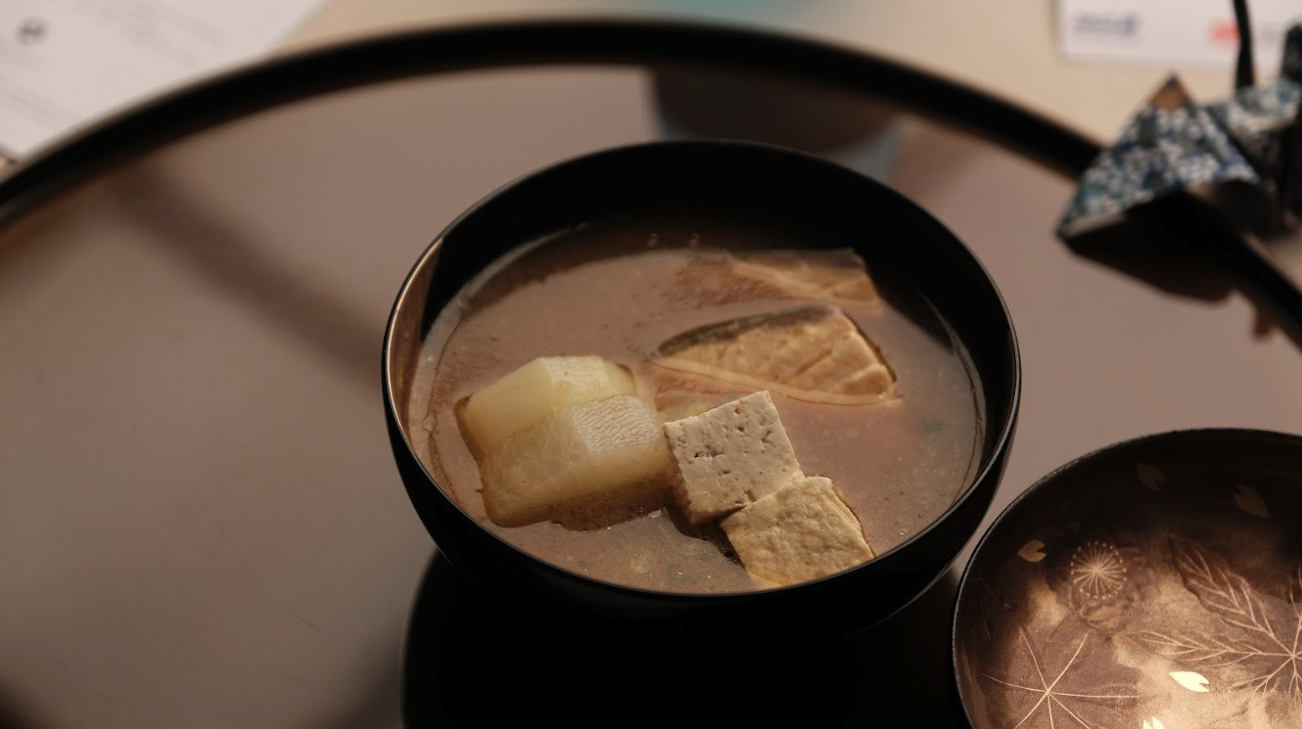
Transitioning into the heart of a northern winter, Chef Tamayo served Ishikari Jiru, a traditional salmon miso soup from Hokkaido. This “heartwarming bowl” brought together miso, salmon, and seasonal vegetables, offering a richness that, as the menu noted, “mirrors the depth of winter’s embrace.”
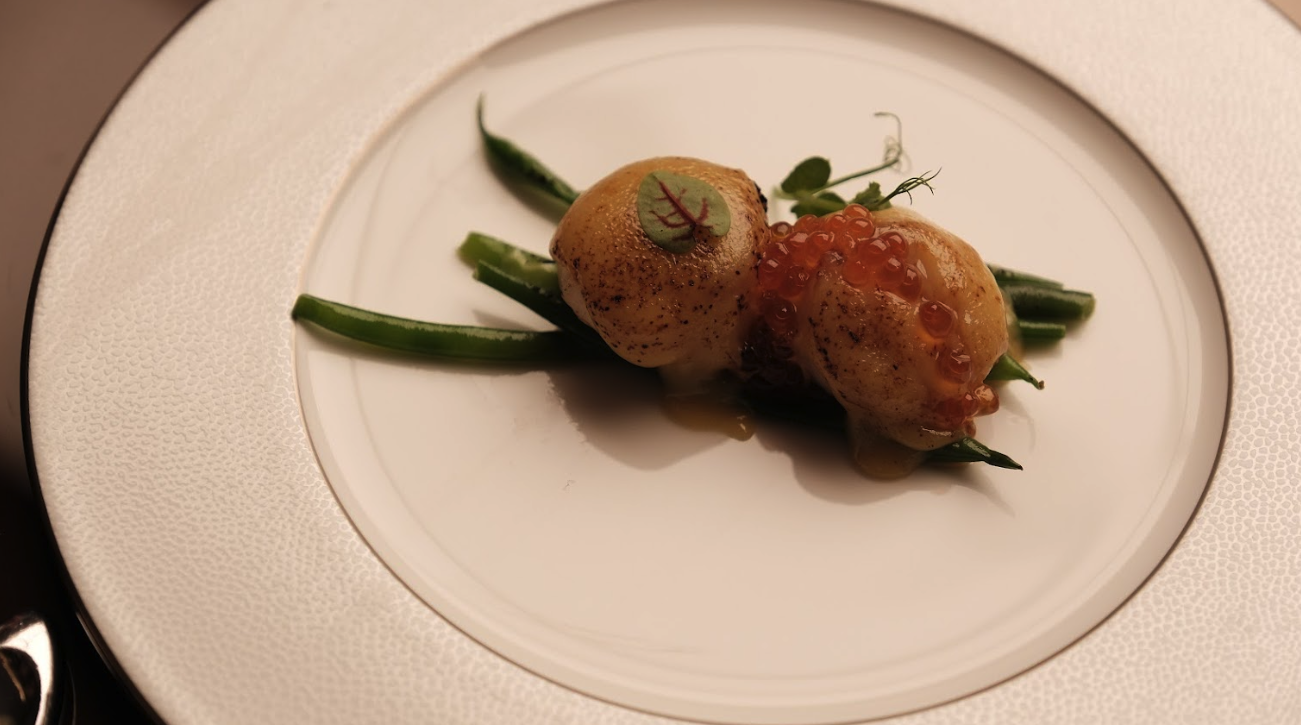
The meal’s centerpiece was Hotate (scallops) and Ikura, a miso-glazed grilled Hokkaido scallop served with salmon roe and sautéed spinach. To ensure the ingredient’s integrity, Chef Tamayo opted for a light sear:
“The scallop is grilled, but we did not cook it fully because it is sashimi-grade. It is still raw in the middle so that you can experience the sweetness of the scallop, with a sweet and salty sauce to counter that sweetness.”
Similar to the starter dish, Ikura was also used in this food, demonstrating how the same ingredient can offer a completely different flavor profile when paired with warm, grilled elements versus a cold starter.
This course was elevated by a pairing with Sharaku Junmai Ginjo sake from Fukushima, a prefecture in Tohoku, allowing the savory-sweet notes of the scallop to shine.
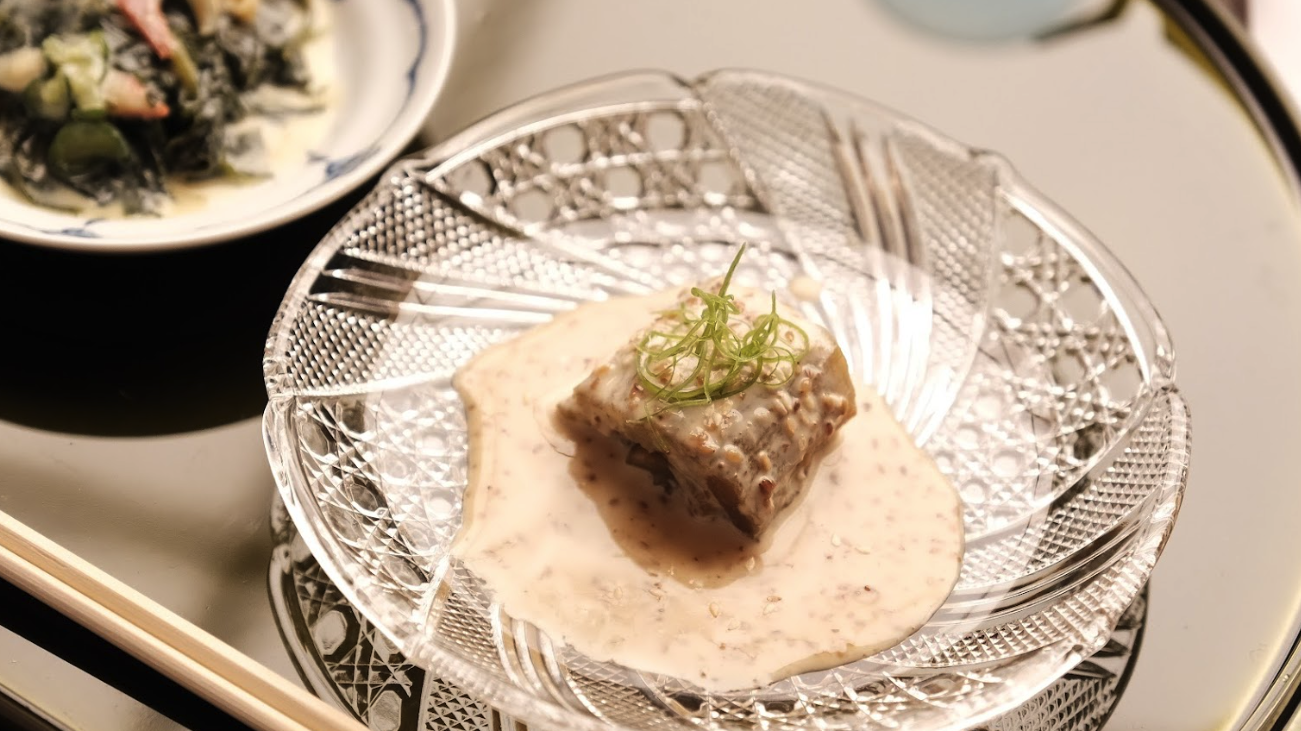
The menu then pivoted back toward the freshness of summer with a cold dish called Hokkigai Sunomono and Nasu Goma-Ae, a Hokkigai (surf clam), cucumber, and a seaweed miso mustard salad. The addition of chilled Nasu (eggplant) with sesame dressing provided a sophisticated contrast in both flavor and temperature.
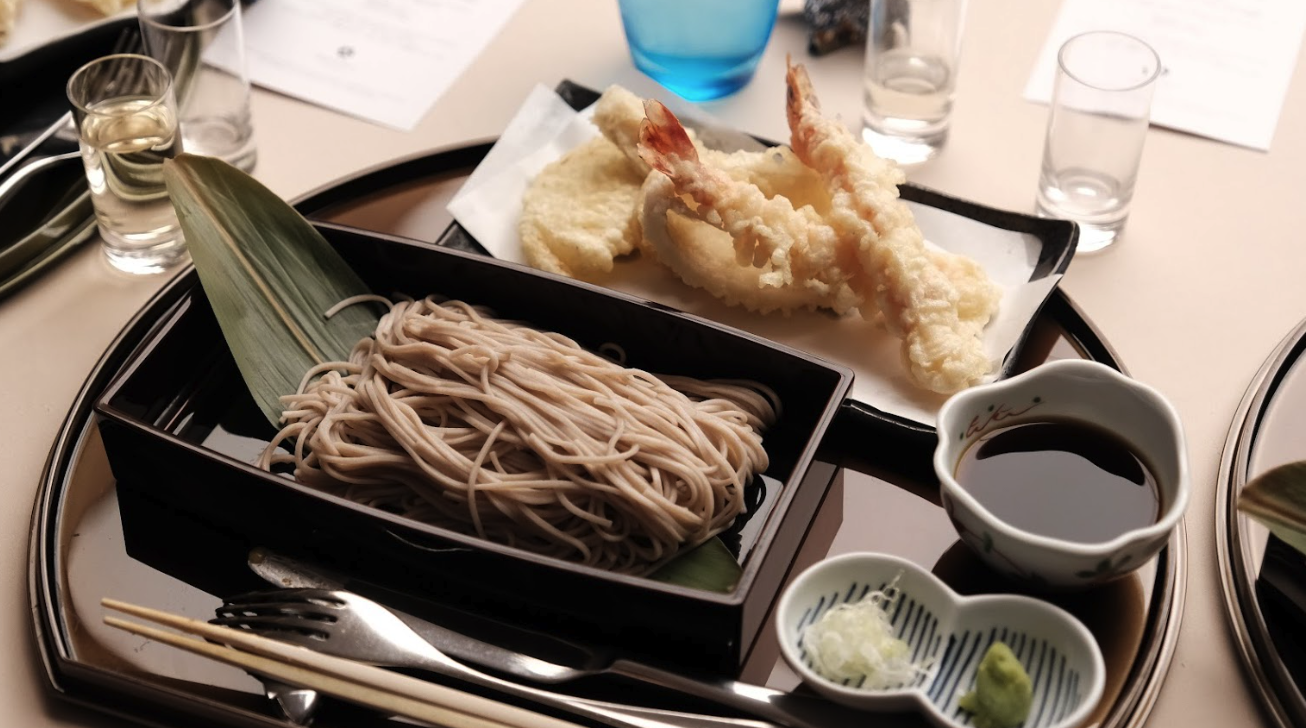
This was followed by a seasonal staple: Tenzaru Soba (cold buckwheat noodles) served with assorted tempura. Often enjoyed during Hokkaido’s vibrant flower season, the dish is designed to cool the body during the warmer months.
Both courses were paired with Kubota Senjyu Ginjo from Niigata, a sake that properly complemented the clean, earthy notes of the buckwheat and seafood.
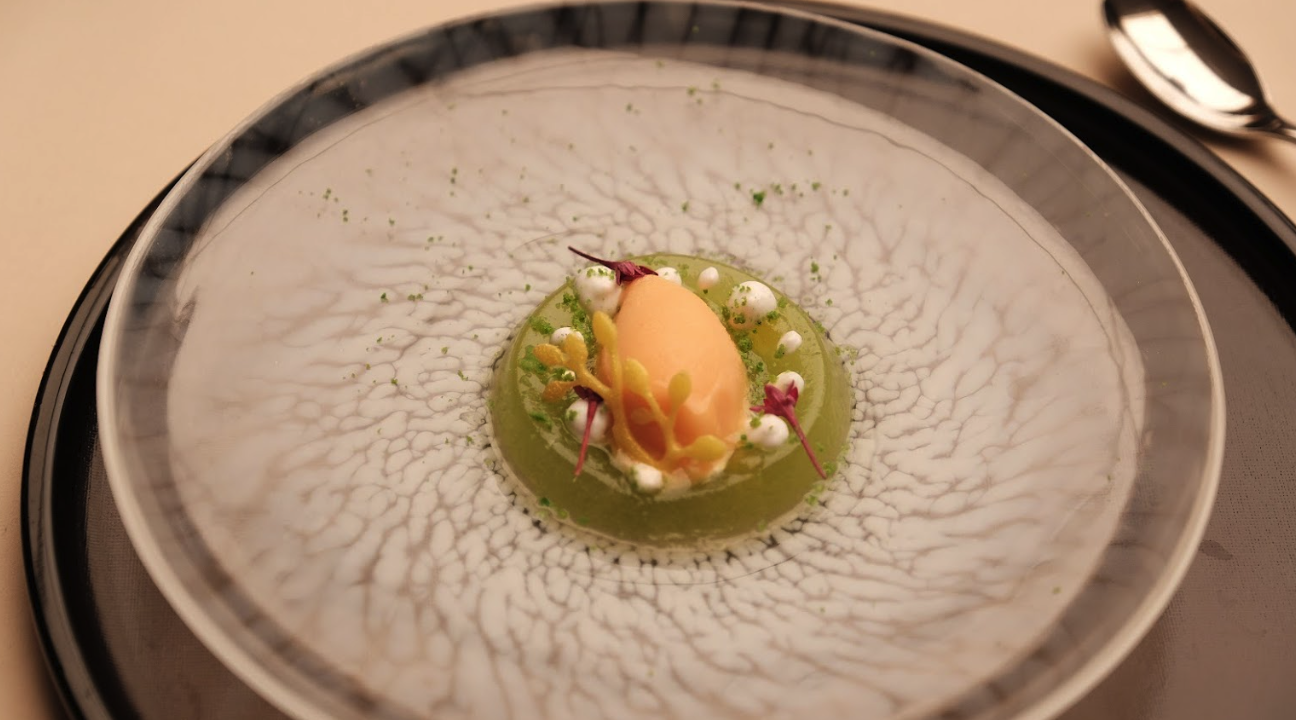
The experience culminated with the dessert, Japanese Melon. It is a locally sourced sorbet with coconut cream espuma, melon jelly, and a textural matcha crumble that oozes sweetness to top all of the heavy dishes previously served.
After the distinct Northern taste course menu, JNTO’s Director, Hisashi Kawamura concluded the event by encouraging Filipinos to explore Japan beyond what it is commonly known for.


“We hope today’s experience becomes a memorable window into how Japan’s seasons are deeply reflected in its cuisine, traditions, and way of life,” Kawamura noted.
Indeed, there is always more to uncover in Japan. Its rich heritage, hidden locales, and sumptuous cuisine extend far beyond the familiar, stretching into the northern frontiers of Tohoku and Hokkaido. Here, the flavors offer a beautiful contradiction: a taste of Japan that feels warmly reminiscent, yet remains excitingly distinct.

Hits: 19























Recent Comments